Common Plastic Sheet Welding Defects and How to Fix Them
Plastic welding is a highly specialized skill used across multiple industries, from chemical containment and automotive manufacturing to custom marine fabrication. When done correctly, a thermoplastic weld can be just as strong as the parent material. However, even seasoned fabricators can run into structural snags. A poor weld can lead to leaks, mechanical failures, and costly rework.
If you want to elevate your fabrication skills, understanding Common Plastic Sheet Welding Defects and How to Fix Them is absolutely vital. By mastering defect identification, you can catch minor issues before they become catastrophic failures. In this comprehensive guide, we will explore the most common welding problems, dive into the science of why they happen, and provide actionable, step-by-step solutions to ensure your joints remain strong, durable, and leak-free.
The Foundation of Success: Perfect Preparation
Before we can troubleshoot specific common plastic sheet welding defects, we have to look at the root cause of most failures: improper preparation. Thermoplastics rely on the intermingling of polymer chains to create a bond. If anything stands in the way of those chains mixing, the weld will fail.
Following the correct steps for proper plastic sheet surface preparation is your first line of defense.
● Clean the surface: Always remove dirt, grease, and chemicals using a specialized cleaner or isopropyl alcohol.
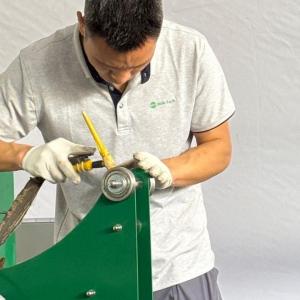
● Remove the oxidation layer: Thermoplastics like high-density polyethylene (HDPE) and polypropylene (PP) react with oxygen over time, creating an invisible, degraded surface layer that will not melt properly. Always use dedicated scraper tools for removing oxidation layers rather than sandpaper. Sandpaper can leave behind microscopic grit and simply smears the oxidized plastic around. Scraping exposes the virgin polymer underneath.
● Ensure material harmony: One of the most easily avoidable mistakes involves plastic welding rod vs base material compatibility. You cannot weld PVC to PP, nor can you weld a low-melt-flow HDPE rod to a high-melt-flow HDPE sheet. Always match your rod’s polymer composition and melt flow index strictly to your base material.
5 Common Plastic Sheet Welding Defects (and How to Fix Them)
Even with great preparation, variables in temperature, speed, and pressure can lead to flaws. Here is how to identify and resolve the top five defects.